Selling furniture before moving can reduce packing, lifting, and clutter. To sell furniture before moving, sort items early, clean them, take clear photos, list honest details, and set a firm pickup time. Furniture that does not sell can be donated, gifted, recycled, or removed before moving day.
A move often shows how much furniture a home holds. A sofa may not fit the next living room. A desk may be too large for a smaller office. A dresser may take more time to move than it is worth keeping. Making these choices before packing gives homeowners, tenants, and business owners more control.
Table of Contents

- Why should you sell furniture before moving?
- When should you start selling furniture before moving?
- How do you decide what furniture to sell, keep, donate, or discard?
- How much should you ask for used furniture?
- Where is the best place to sell furniture before moving?
- How should you prepare furniture for sale?
- How can you sell furniture safely and avoid common scams?
- What should you do with furniture that does not sell?
- Can you put unwanted furniture in the trash?
- How do you coordinate furniture sales with moving day?
- Frequently Asked Questions
- Key takeaways
- Conclusion
Why should you sell furniture before moving?
Selling unwanted furniture before a move lowers the number of items to pack, carry, protect, and place. It also clears space for boxes and gives buyers time to collect large pieces. For people in York, an early plan can make a local move feel calmer and more orderly.
How selling furniture can simplify your move
Large furniture needs careful wrapping and safe lifting. It may need to pass through narrow doors, down stairs, or around tight corners. Selling pieces that do not suit the next home removes some of these tasks and helps movers work more smoothly.
The process also creates a useful sorting habit. Instead of packing every item, the household checks what it truly needs. This can prevent clutter from moving from one address to the next. It also makes a moving checklist easier to follow.
Selling furniture may help recover some of an item's value. The amount depends on age, condition, brand, demand, size, and local interest. It is best to see a sale as a way to reduce moving work, not as a sure return.
Which furniture is worth selling?
Furniture is often a good sale choice when it is clean, strong, useful, and easy to explain. Solid tables, matching chairs, bookcases, desks, dressers, bed frames, and clean seating may attract buyers. Pieces with a clear size and use are easier to list.
Items with strong odors, hidden damage, pests, deep stains, or missing parts may be hard to sell. A large item may also be hard to move if the buyer has no help. York Movers can help York homeowners think about which pieces need careful moving and which should leave first.
When should you start selling furniture before moving?
Start sorting furniture as soon as the move seems likely. Beginning several weeks early gives time to list items, answer questions, change a listing, and set a pickup time. Waiting until the last few days leaves fewer choices and adds stress.
A practical timeline for listing and selling items
First, make a room-by-room list. Mark each item as keep, sell, donate, give away, or discard. Measure items that may be sold. Then check the new home's rooms and doorways before writing listings.
Next, clean and photograph the best items. List large or useful pieces first because they may take longer to sell. Smaller items can be grouped when that makes sense, such as a matching set of dining chairs.
A simple plan can look like this:
- Sort furniture before packing begins.
- List the best items while rooms are easy to reach.
- Set pickup times before boxes fill the rooms.
- Move unsold items into a donation or removal plan.
- Keep only confirmed sales on the moving checklist.
What to do when your moving date is approaching
As the move gets close, stop accepting vague promises. A buyer should confirm the item, pickup time, and transport plan. If the buyer does not arrive, relist the piece or use another option instead of holding it forever.
The final week should focus on confirmed plans. Keep walkways open and do not place sold furniture where it blocks boxes, exits, or moving tools. A clear handoff plan protects the home and keeps the move on schedule.
This is also a good time to review a moving estimate. The number and size of items can affect the work needed. Removing furniture early may make the moving plan simpler, but the final cost of moving or removal work is confirmed on a quote.
How do you decide what furniture to sell, keep, donate, or discard?
The best choice depends on the item's condition, use, fit, and moving difficulty. A piece that works in the current home may not suit the next one. Each item deserves a quick decision before it enters a box or truck.
Questions to ask about each piece
Ask whether the furniture is safe, comfortable, clean, and useful. Also ask whether it fits the next room and can pass through the new home's doors and stairs. These checks often make the answer clear.
Other useful questions include:
- Does the item have damage that affects safe use?
- Would a buyer understand its condition from the listing?
- Is it worth the space and effort needed to move it?
- Could another household use it soon?
- Does it contain fabric, foam, glass, or other special materials?
Selling works well for usable items with buyer interest. Donating or gifting may suit good items that are not worth listing. Discarding is better for furniture that is unsafe, badly damaged, dirty, or not accepted by donation groups.
How your new home affects the decision
The next home should guide the sorting process. Measure rooms, doors, stair turns, elevators, and storage areas when possible. A sectional sofa may fit one living room but not another. A tall bookcase may work in a house but not below a lower ceiling.
Renters and office owners should also check building rules. Some buildings limit pickup times, elevator use, or items near dumpsters. A clear plan avoids moving furniture twice or leaving it where it is not allowed.
York residents can also use this time to declutter before moving. Removing items before boxes are packed gives each room more space. It also helps a household decide what belongs in the moving truck.
How much should you ask for used furniture?
There is no single right asking amount for used furniture. The amount depends on condition, age, brand, materials, design, size, local demand, and how soon the seller needs it gone. Similar listings in York can show what buyers may see as reasonable.
What affects a furniture item's resale value
Clean, strong furniture usually gets more interest than furniture with damage or strong odors. Buyers also look at construction, comfort, storage, color, style, and ease of transport. A complete dining set may appeal to a different buyer than one table.
The listing should explain normal wear and known problems. Hiding damage can lead to canceled pickups, disputes, or poor marketplace reviews. Honest details save time for both sides.
Size matters as well. A large item may be useful but harder for a buyer to collect. If the buyer needs special help, the item may receive fewer replies. Clear measurements help buyers decide before they make plans.
How to set a realistic asking amount
Compare similar items with a similar age, condition, brand, and size. Review listings that are still active, but remember that an active listing does not prove the item has sold. The asking amount should leave room for normal discussion without seeming unrealistic.
Decide whether the main goal is value, speed, or a simple handoff. A firm moving deadline may call for a more practical asking amount. The final cost of professional moving or removal work is confirmed on a quote and depends on item size, access, labor, and urgency.
Where is the best place to sell furniture before moving?
The best selling place depends on the item, the deadline, and the seller's comfort. Online marketplaces, neighborhood groups, consignment shops, dealers, and local buyers all work in different ways. A clear listing often matters more than using every channel.
Online marketplaces and neighborhood groups
Online marketplaces can reach nearby buyers who want furniture soon. Neighborhood groups may work well for common items that are easy to collect. The listing should include the area, measurements, condition, pickup limits, and clear photos.
Do not promise delivery unless transport is already arranged. Large furniture often needs two or more people, a suitable vehicle, and safe lifting tools. Buyers should know whether they must bring help.
Searches for furniture movers close to me or furniture movers near me may also help buyers find local transport support. The seller should not assume a buyer has the right tools or skill for a heavy piece.
Consignment shops, dealers, and local buyers
Consignment shops may suit clean, stylish, or high-quality pieces that do not need immediate pickup. Dealers and local buyers may make a faster decision, though their terms differ. Ask about timing, item acceptance, pickup, and when ownership changes.
Businesses and offices may have desks, chairs, shelving, and conference furniture to clear. Commercial & Office Movers can help with large office items when safe loading and transport are needed. Furniture Movers may also help with heavy household pieces, room changes, or buyer pickups.
How should you prepare furniture for sale?
Furniture sells more easily when it looks clean, complete, and well described. Preparation does not mean hiding wear. It means removing dust, checking parts, making simple safe repairs, and showing the item as it is.
Cleaning, repairing, and photographing each piece
Use a cleaning method that suits the material. Wood, glass, metal, leather, and fabric may need different care. Avoid harsh products that can harm finishes or leave a strong smell. Let soft items dry fully before taking photos.
Tighten safe hardware and include loose parts that belong with the item. Do not make repairs that could create a safety risk. A damaged frame, loose leg, broken support, or sharp edge should be explained clearly.
Photos should show the front, sides, top, storage areas, labels, and flaws. Use daylight when possible. A common object can help show scale, but always include exact measurements in the listing.
What details buyers need to know
A useful listing answers basic questions before a buyer sends a message. Include the item type, brand if known, materials, size, age if known, condition, and pickup limits. Mention stairs, narrow halls, elevators, pets, smoke, or other facts that affect pickup.
For dishes and household goods packed with furniture, strong boxes and paper padding help prevent damage. Wrap bowls and place them on their sides or in small groups with padding between them. Heavy items should not sit on fragile pieces.
A good listing is short but complete. It helps serious buyers plan and reduces repeated questions. Clear information also makes it easier to coordinate Furniture Movers with wheels, furniture movers on wheels, or furniture dolly movers when a piece needs special handling.
How can you sell furniture safely and avoid common scams?
A safe sale uses clear messages, confirmed plans, and careful payment choices. Be cautious when a buyer sends odd payment instructions, asks for personal details, or offers to pay more than the asking amount. Simple transactions are easier to check.
Safer communication and payment practices
Keep messages on the marketplace when possible. Do not open strange links or share account passwords, codes, or sensitive identity details. Be careful with checks, overpayments, and requests to send money back. Confirm that payment is complete before releasing the item.
The listing should state whether the item is reserved and when the buyer must collect it. Avoid holding an item for an uncertain promise when the move is near. Written details help prevent confusion about condition, timing, and pickup.
Planning pickups without risking injury or damage
Heavy furniture should not be lifted by one person just to save time. A safe pickup needs enough people, a clear path, protective blankets, straps, and a suitable vehicle. Furniture dollies can help move heavy items, but they must suit the floor and slope.
Keep children and pets away from the pickup area. Protect walls, floors, door frames, and elevators. If an item is very heavy, fragile, awkward, or hard to reach, professional movers may be safer. Loading & Unloading Help can suit people using a truck, pod, or moving container who need trained lifting support.
What should you do with furniture that does not sell?
Furniture that does not sell still needs a clear next step. The main choices are donation, gifting, consignment, recycling where accepted, or removal. The right choice depends on condition, material, timing, and local rules.
Donation, gifting, and free-pickup options
Good furniture may help a charity, community group, neighbor, family member, or tenant moving into a home. Donation groups set their own rules and may accept only clean, safe items. Pickup times also vary, so ask before moving furniture outside.
Gifting through a neighborhood group can work when an item must leave quickly. The listing should still explain flaws and pickup needs. Do not leave furniture on a sidewalk or near a dumpster unless the property and local rules allow it.
When to use a removal or hauling service
Removal help makes sense when furniture is damaged, too heavy, unsafe, or not accepted by donation groups. It may also help when the household has no suitable vehicle or needs the item gone before movers arrive. The final cost is confirmed on a quote and depends on the item, access, labor, and disposal needs.
York Movers supports people planning moves and nearby communities. This includes The Avenues, Wyndham Hills, Dover, Hallam, Red Lion, and Spring Grove. The team can help people think through furniture, packing, loading, and transport needs.
Can you put unwanted furniture in the trash?
Not always. Disposal rules vary by city, property, item type, and collection service. Check local instructions before placing furniture at the curb, in a dumpster, or inside a trash container.
Why disposal rules vary by item and location
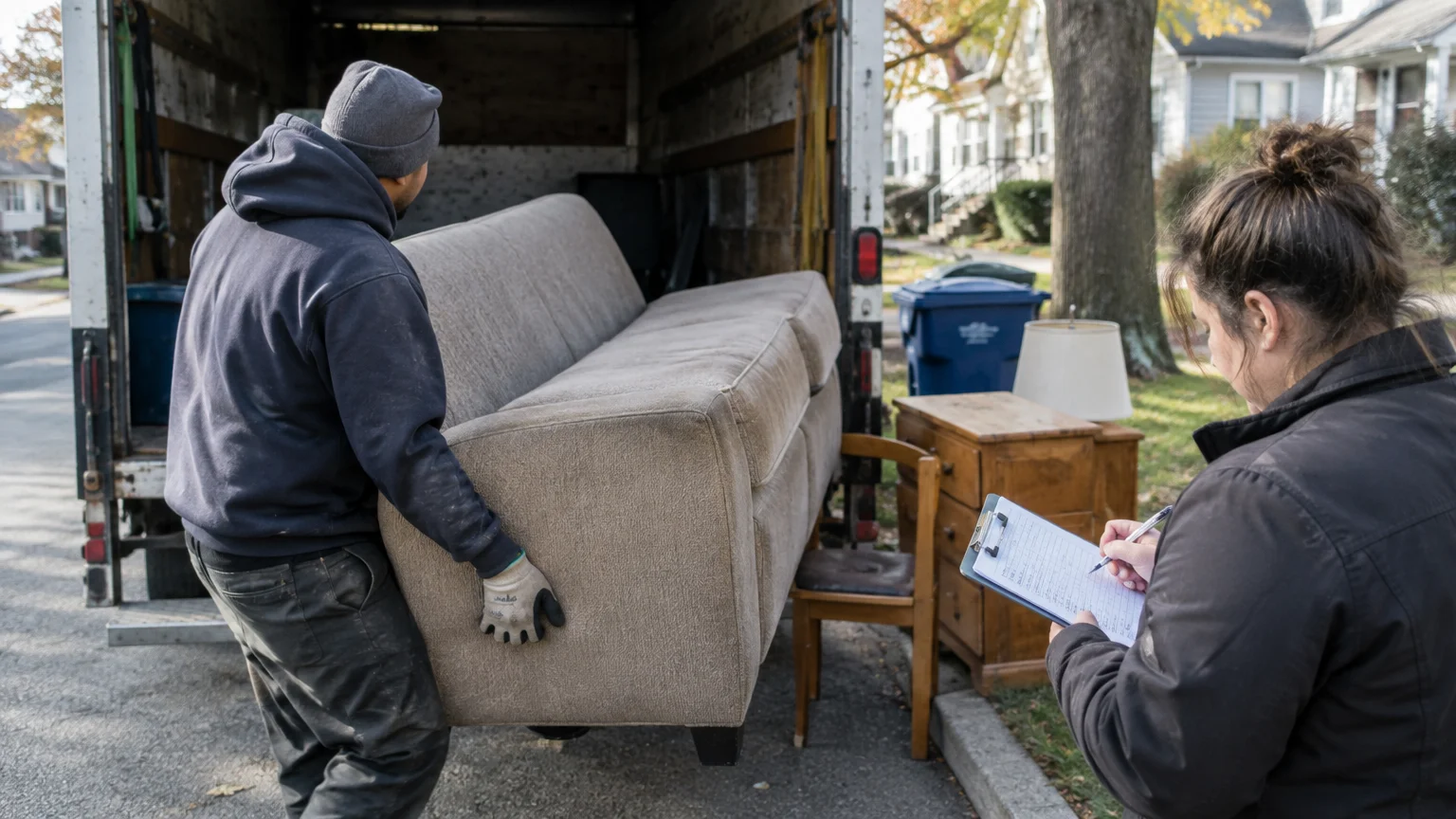
Some collection services accept certain bulky items only on scheduled days. Apartment and office properties may use separate rules for dumpsters, loading areas, and abandoned furniture. Local transfer sites and recycling centers may also sort materials in different ways.
Mattresses, upholstered furniture, treated wood, glass, metal, and electronic parts may need separate handling. A furniture item may contain materials that ordinary trash service will not accept. The safest step is to ask the local waste provider or property manager first.
How to handle mattresses, upholstered pieces, and damaged furniture
Mattresses and upholstered items should stay dry and covered while waiting for pickup. They may need a scheduled bulky-item service or a special drop-off site. Furniture with pests, mold, sharp damage, or strong contamination should not be donated.
Broken wood and metal may have recycling or transfer choices, but rules differ. Do not burn treated, painted, or unknown wood. When an item is unsafe to move, removal workers may handle the lifting while the household confirms the proper disposal route.
How do you coordinate furniture sales with moving day?
Furniture sales should be complete before the moving crew starts loading when possible. Sold items need confirmed pickup times, while kept items need labels and a clear place in the loading plan. This keeps a sold piece from being packed by mistake.
A final week checklist for sold and unsold items
During the final week, review every listing and confirm each buyer. Remove sold items before boxes and moving tools crowd the rooms. Then check donation, disposal, and removal plans for everything left behind.
A final checklist can include:
- Confirm buyer names, pickup times, and item details.
- Mark sold furniture so it is not loaded by mistake.
- Keep walkways, doors, stairs, and exits clear.
- Protect floors and walls during every pickup.
- Finish donation or removal plans before moving day.
- Reserve space for furniture that is staying.
Do not count an item as sold until the buyer confirms the plan. If a pickup fails, use the backup option instead of delaying the whole move. This step belongs on any moving checklist for a home, apartment, or office.
How to keep the move on schedule
Tell the moving team which furniture is staying and which has left. Group kept items by room and keep small hardware in labeled bags. If the move includes a pod or container, place heavy items low and spread weight with care.
Local Movers can help with a home move when the household needs support with packing, loading, furniture protection, and transport. Apartment Movers may help when stairs, elevators, shared halls, or tight spaces affect the plan. Early communication gives the crew better information.
Frequently Asked Questions
Is it better to sell furniture before or after moving?
Selling before moving is usually simpler because the furniture is assembled, visible, and easy to inspect. It also reduces the amount that must be packed and carried. Selling after moving may work for uncertain items, but the household must first move pieces it may not keep.
How early should someone list furniture for sale?
List large or useful pieces as soon as the move is likely. Earlier listings allow time for questions, canceled pickups, and another selling attempt. Smaller items can wait, but they still need a clear plan before boxes block room access.
What furniture is hardest to sell before a move?
Furniture with major damage, strong odors, missing parts, poor access, or unusual size is often harder to sell. Buyers may also avoid items that need difficult lifting or special transport. Honest photos and measurements help, but unsafe or dirty furniture may need proper removal.
Should the seller deliver the furniture?
Delivery is optional and should be offered only when the seller has a safe vehicle, enough help, and suitable protection. Many sellers make pickup the buyer's responsibility. For heavy or fragile pieces, professional Furniture Movers may reduce the risk of injury or property damage.
What if a buyer does not arrive?
Send one clear confirmation before the pickup window. If the buyer does not arrive, relist the furniture, contact a backup buyer, donate it, or arrange removal. Do not let one missed appointment threaten the moving schedule.
Key takeaways
- Start sorting furniture before packing and list large pieces early.
- Keep, sell, donate, gift, or discard each item based on condition and fit.
- Use clear photos, measurements, and honest descriptions.
- Confirm buyers and protect people, floors, walls, and furniture during pickup.
- Check local disposal rules before placing unwanted furniture in the trash.
Conclusion
Selling furniture before moving can reduce clutter, lifting, packing, and last-minute stress. A room-by-room plan helps the household make clear choices. Items that sell should leave on a confirmed schedule, while unsold pieces need a safe donation, gifting, recycling, or removal plan.
York Movers helps homeowners, tenants, and businesses plan moving tasks across York and nearby areas. Contact us to discuss moving support and request a quote for the services that fit the move.